
Over 30% of Tourists Came for the Tea: How Hot Was Tea Culture Tourism During the National Day Holiday?
The 2026 National Day–Mid-Autumn super golden holiday has come to an end. According to data from the Ministry of Transport, inter-regional passenger trips across society during the seven-day holiday are estimated to reach 2.144 billion — an average of about 300 million people on the move each day. Dai Bin, president of the China Tourism Academy, noted that “cross-regional travel between east and west, and north-south exchanges” were a standout feature of this year’s holiday, with inter-provincial travel and in-depth tours clearly heating up, while county-level and off-the-beaten-path destinations stayed popular.
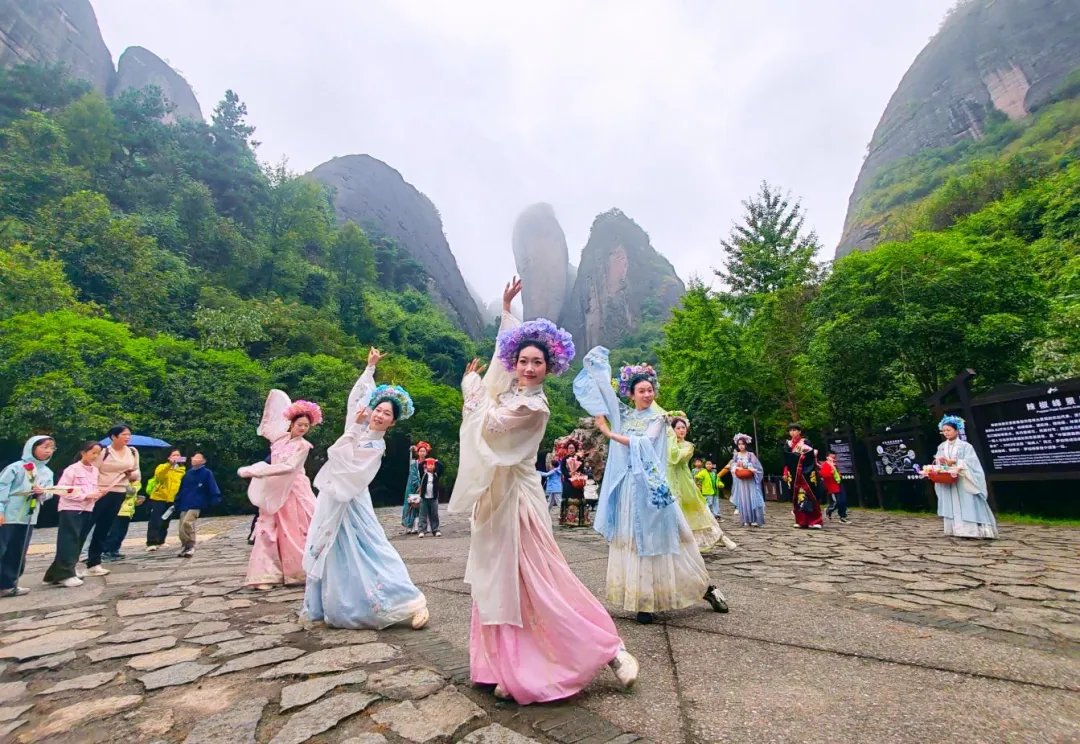
Image source: CCTV News
As the vitality of cultural tourism consumption continues to be released, a trend is emerging: tourists are no longer satisfied with the old “check-in” style of sightseeing, but increasingly prefer immersive, in-depth experiences. In this shift of consumption patterns, tea is becoming a highly recognizable vehicle for the integration of culture and tourism. During the 2026 National Day holiday, destinations across China used tea as a medium and culture to shape tourism, driving holiday consumption through diversified tea-themed activities and delivering an impressive report card.
From “Selling Tea Leaves” to “Selling Experiences”
On the eve of the National Day holiday, Wuyishan City integrated four pillars — preferential policies for residents and visitors, distinctive cultural tourism formats, themed folk activities, and city-wide service guarantees — and systematically launched a series of high-quality dual-holiday cultural tourism products. It selected 23 high-quality “tea-flavored homestays,” bundled with exclusive tea gifts at check-in, nighttime tea therapy, and early-morning tea-garden walks; a newly launched cultural IP, the “Wuyi Treasure Cup,” was distributed citywide in quantities of over ten thousand, allowing visitors to enjoy free tea at any partner merchant with the cup.
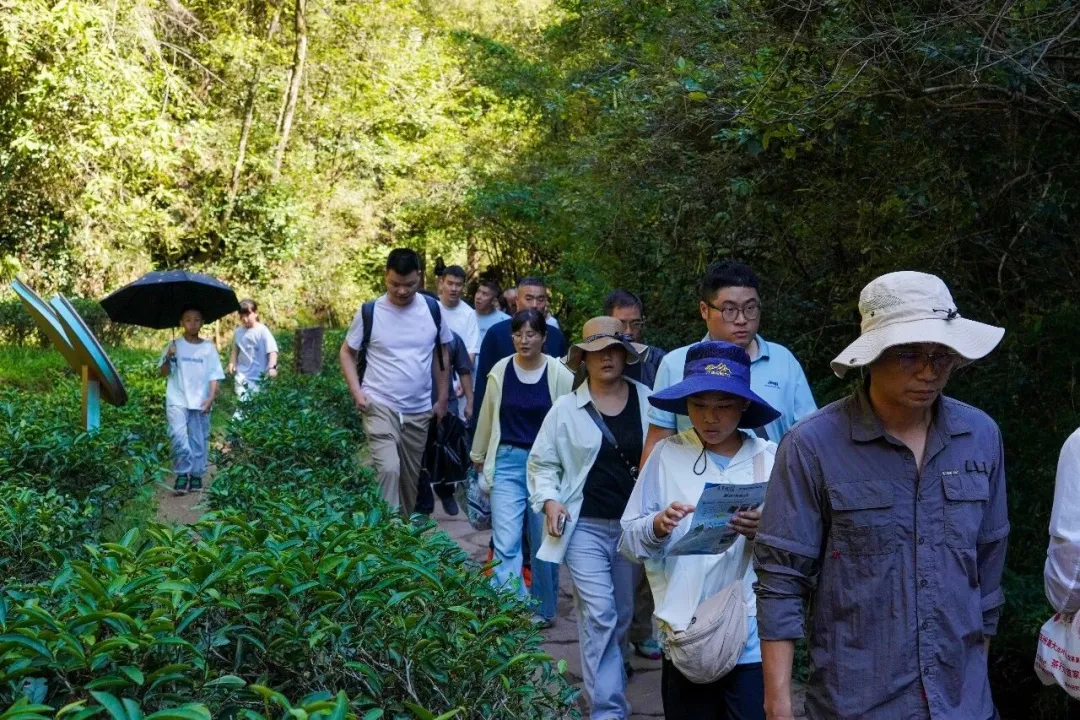
During the holiday, more than 30% of tourists in Wuyishan came specifically for the tea; tea culture, tea experiences, and tea shopping accounted for nearly 40% of festival consumption. From “attracting visitors” to “keeping them stay,” tea is no longer a “souvenir” on the journey but the very core purpose of the trip. In Datian County, Fujian, the Daxianfeng Tea Beauty Scenic Area launched diverse products such as tea-picking and tea-making experiences, tea-scented beer barbecues, and tea-mountain homestay stays, offering tourists an autumn holiday plan of “staying over, experiencing deeply.”
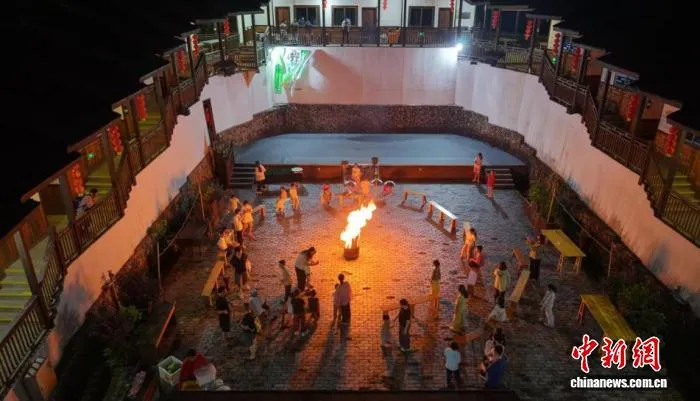
These practices show that the value of tea culture tourism has already leapt to a new level: counties and rural areas can equally forge a distinctive path of cultural tourism by moving from “selling tea leaves” to “selling experiences.”
Sports + Tea Tourism Ignites Village Travel
In Hangji Miao Village, Lüdongshan Town, Baojing County, Xiangxi, Hunan, the 2026 “Hunan Tea BA” National Day basketball series became one of the most vibrant rural events of the holiday. Tea-art and tea-song performances, Miao flower-cymbals, lion dances, and martial arts took the stage in turn. Off the court, the Tea BA country fair simmered with everyday life — ancient-village tours and golden-tea garden photo spots opened simultaneously; visitors could walk into tea gardens to try hand-firing tea, experience Miao embroidery intangible cultural heritage hands-on, and immerse themselves in the Miao long-table banquet.
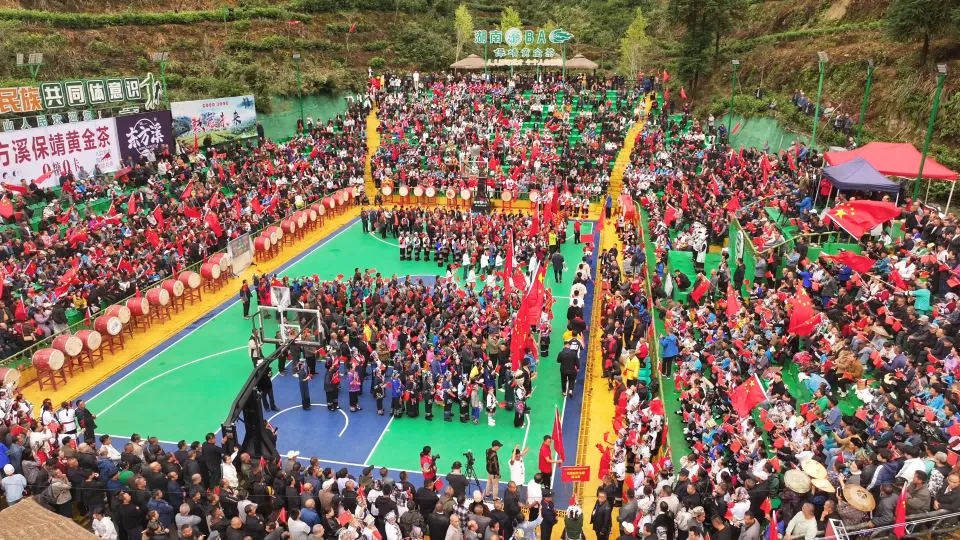
Watch a ball game, wander a Miao village, savor the fragrance of tea, and enjoy intangible heritage — diversified tea-tourism consumption scenarios effectively boosted village homestay and farmhouse-restaurant businesses. With sports as the thread linking culture, tourism, and local specialty industries, new momentum has been injected into rural integrated development.
Tea Gardens Turned Into “Theaters”
During the National Day holiday, the Thousand-Li Rivers and Mountains Scenic Area in Mingshan District, Ya’an, Sichuan launched a site-wide immersive scripted game, “Rivers and Mountains Enter the Painting — Fairy Tales on Tea Isle.” Tourists take on the roles of “immortal friends” and “immortal guests,” traveling through a painted secret realm and retracing the fated path of Wu Lizhen and Yu Xian. According to a person in charge of the scenic area, the product shows more youthful, immersive, and high-quality features, turning the entire tea mountain into a scene to wander and perform — effectively driving holiday cultural tourism consumption.
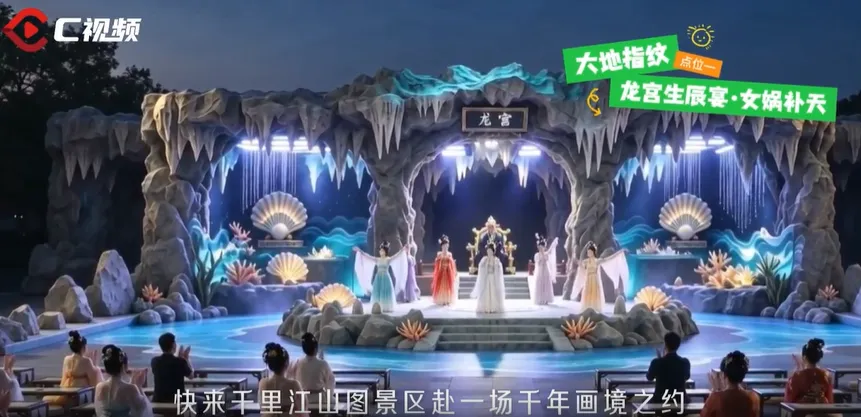
Image source: Sichuan Online, Ya’an
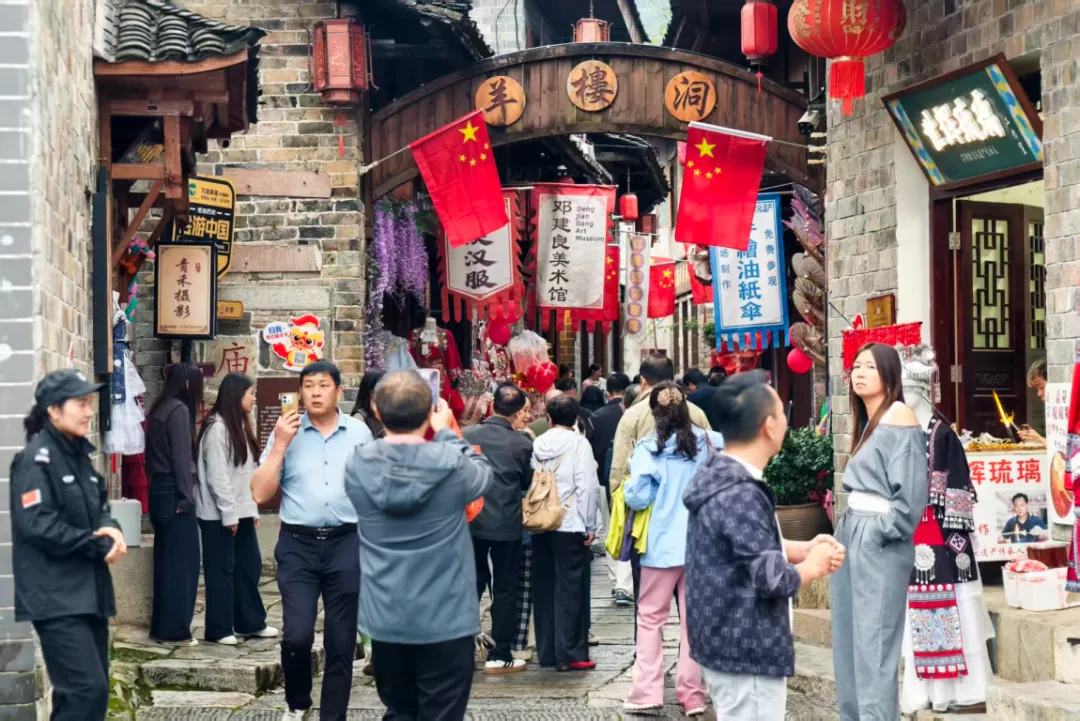
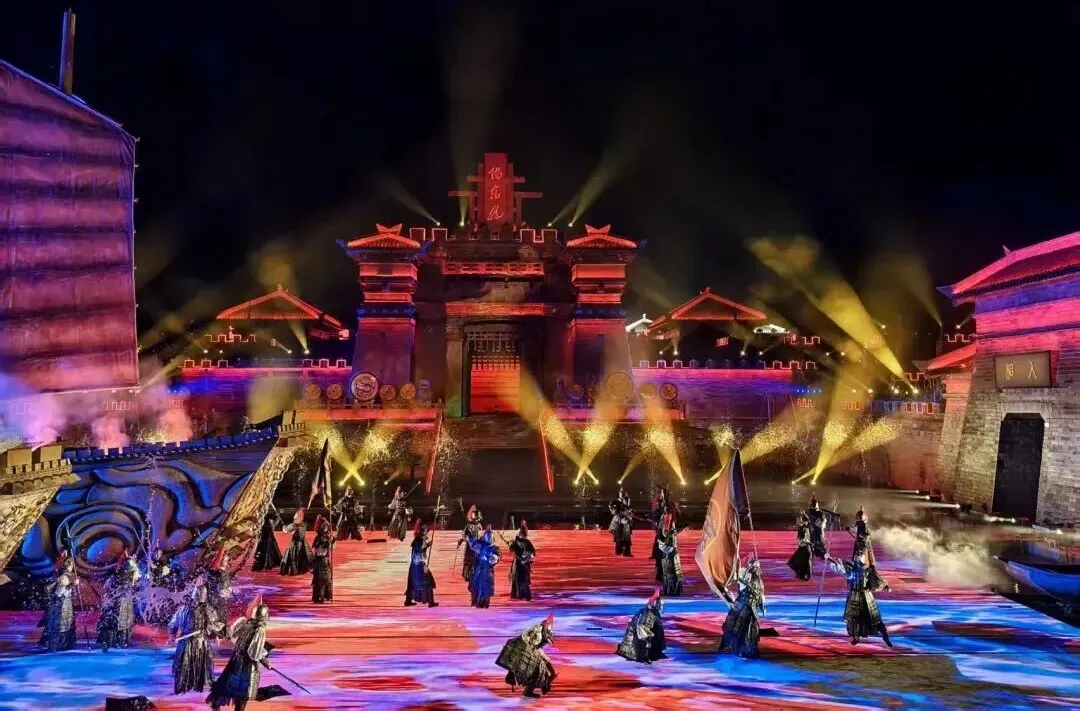
In Yangloudong Ancient Town, Chibi, Hubei, the town drew on four cultural tourism resources — Three Kingdoms culture, the 10,000-Li Tea Road, hot-spring wellness, and osmanthus autumn charm — to launch immersive activities including antique-style parades, live-scene performances, the Tongque arena, national-style markets, and tea-art experiences. Walk into any tea shop and the owner will serve you a cup of green-brick tea; elderly artisans demonstrate tea craft while narrating the ancient town’s tea history. Locally, tea-scented milk tea, tea-flavored pastries, and tea cultural-creative products have been developed, embracing younger audiences with ancient tea culture.
New-Style Tea Drinks Become a Major Force in Holiday Consumption
When tea gardens, ancient villages, and scenic areas become traffic gateways, new-style tea drink shops have become among the most direct beneficiaries of this tea-tourism boom. Data from ChaPanda shows that during this year’s National Day holiday, sales at scenic-area stores approached three times weekday levels, with some stores selling over 2,000 cups a day. “Treasure small-city” reverse travel ignited tea-drink consumption in non-tier-1 cities — Dezhou in Shandong, Diqing in Yunnan, and Jiayuguan in Gansu ranked among the top 10 in holiday sales growth; stores at classic scenic spots such as Kuanzhai Alley and Jiuzhaigou in Sichuan also saw visitor peaks.
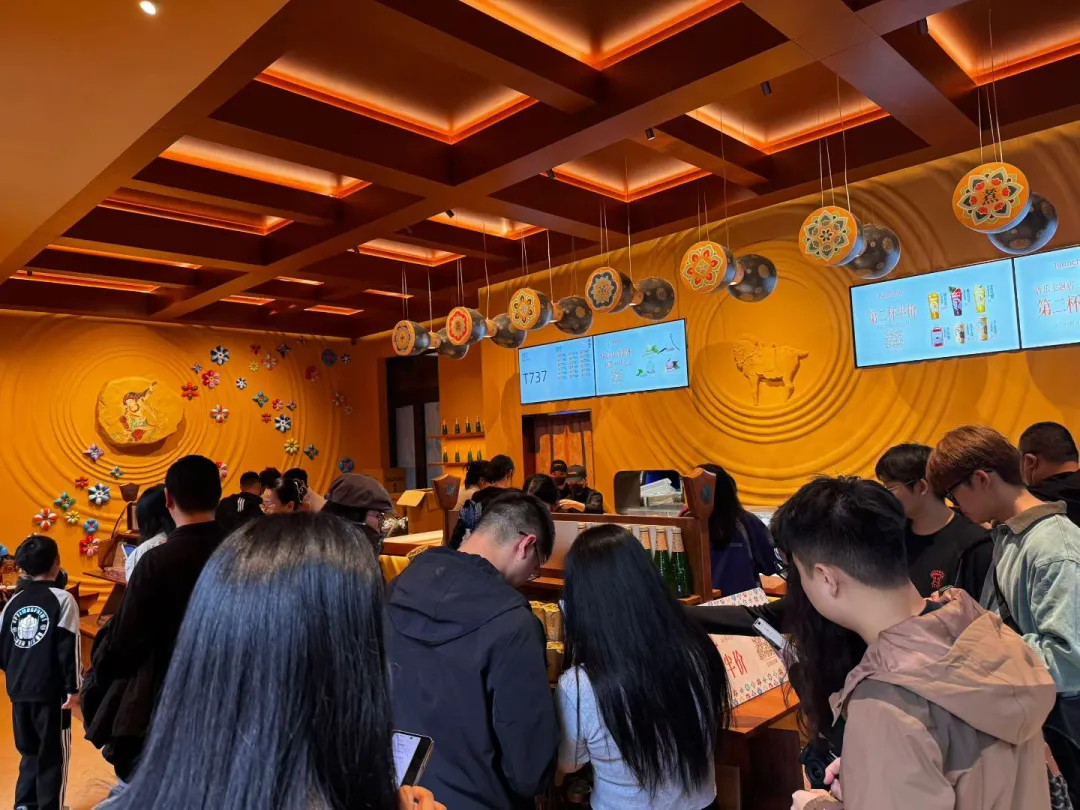
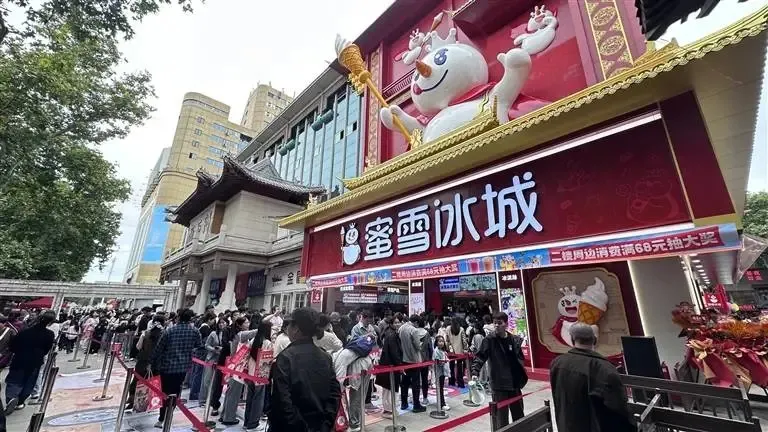
Even more notable is a single-store sales breakthrough. One Mixue Ice Cream & Tea store in Luoyang exceeded RMB 1.2 million in sales on a single day, October 3, setting a new record for the brand’s highest daily single-store revenue, and surpassed RMB 1 million for three consecutive days over the holiday. From traditionally brewed tea to new-style tea drinks, from tea-garden sightseeing to milk-tea consumption, tea demonstrated strong market vitality across every consumption tier and scenario.
During this year’s National Day holiday, destinations across China used tea as a medium, turning tourists from “viewing scenery” into “entering the scene,” and from “buying tea” into “experiencing tea.” Behind this lies the dual drive of consumption upgrading and industrial innovation: consumers pursue travel experiences with greater cultural depth and participation, while the tea industry leverages tourism scenarios to leap from “exporting products” to “exporting culture.” When a single leaf can make people slow down, sit down, and stay the night, the story of tea-culture-tourism integration can only be written better and better.